
What is Poi?
Poi is a movement practice that involves spinning a soft weight on a cord in rhythmic, circular patterns. It combines gentle movement with mental focus, and it’s clinically proven to improve physical and mental health for older adults.
Poi and Parkinson’s: What the Early Research Shows
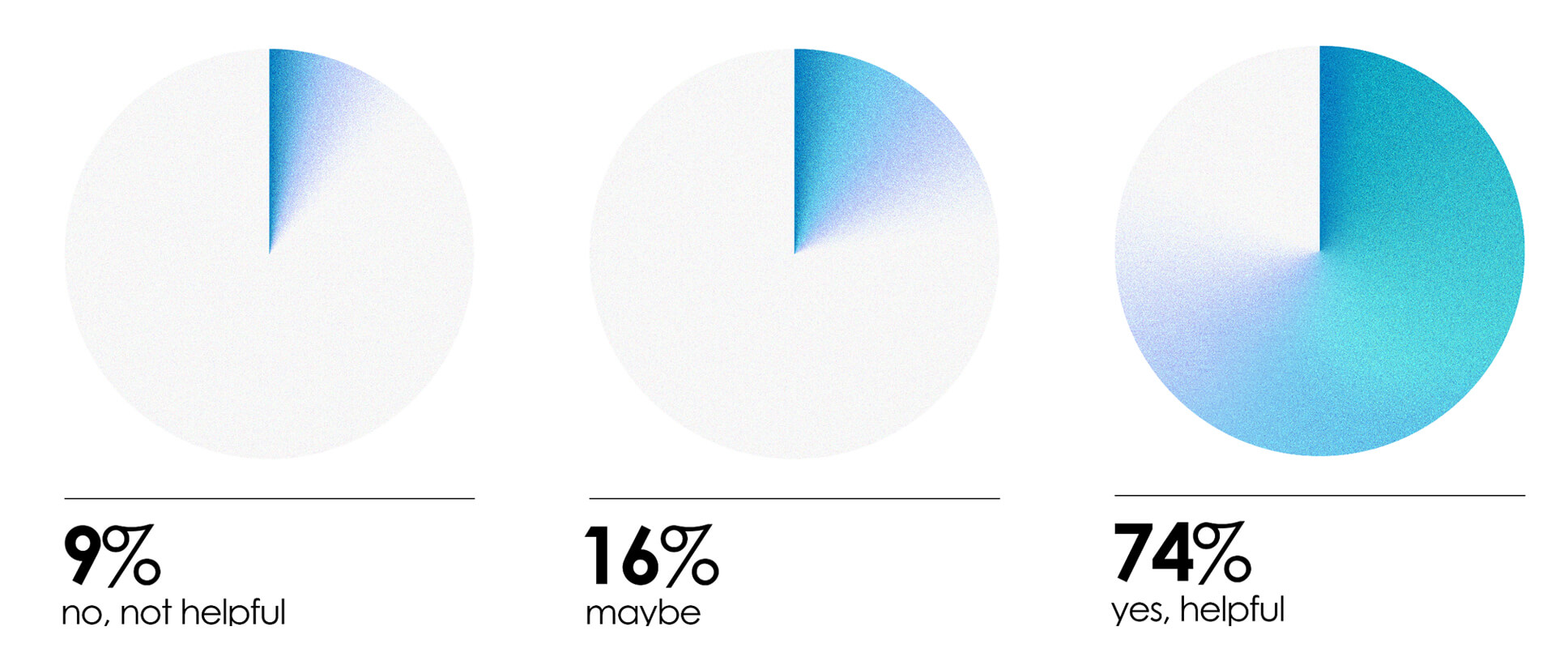
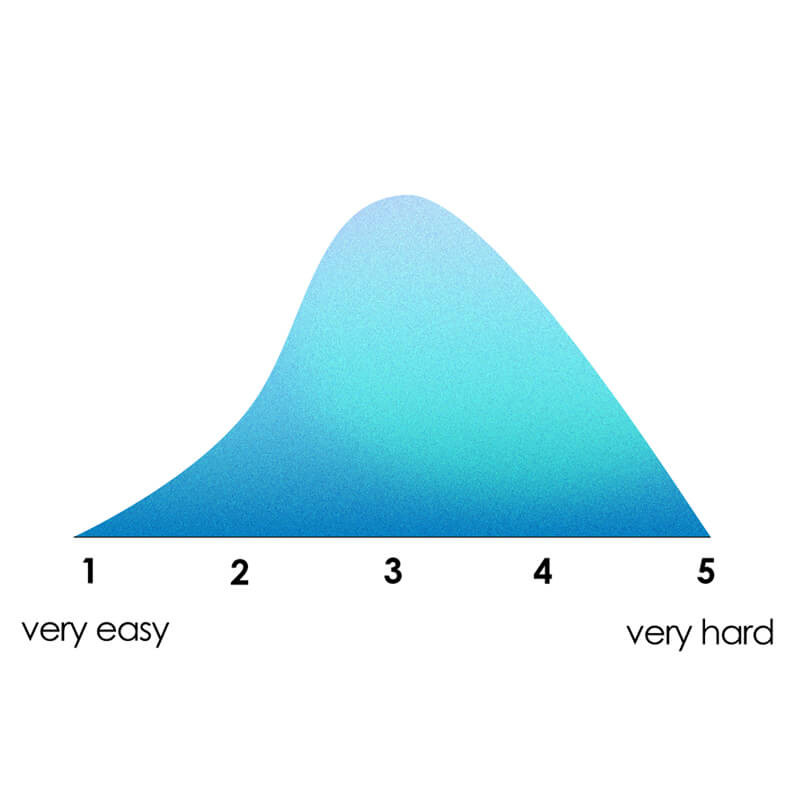
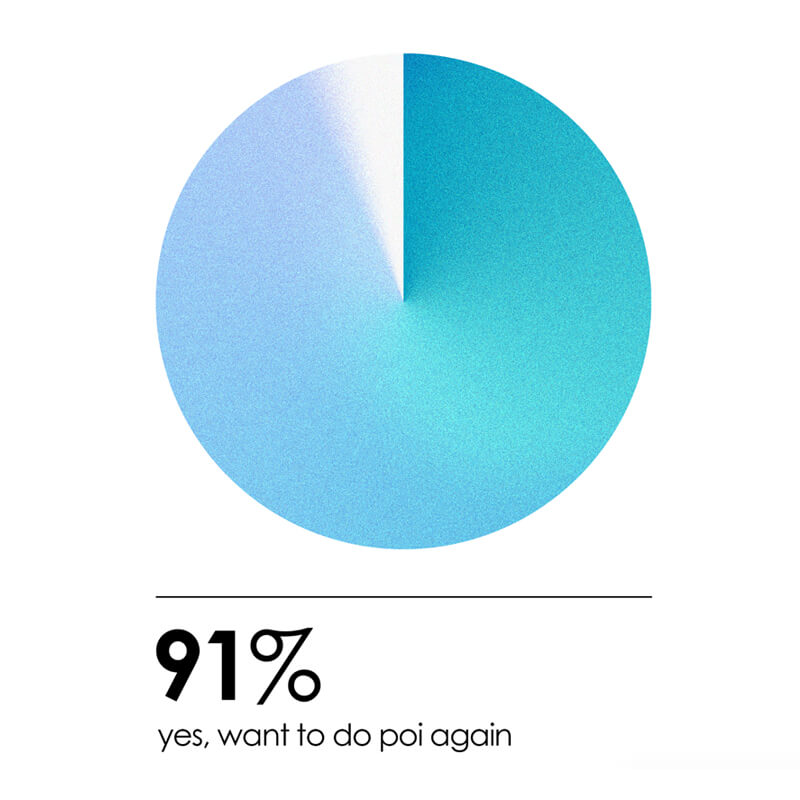
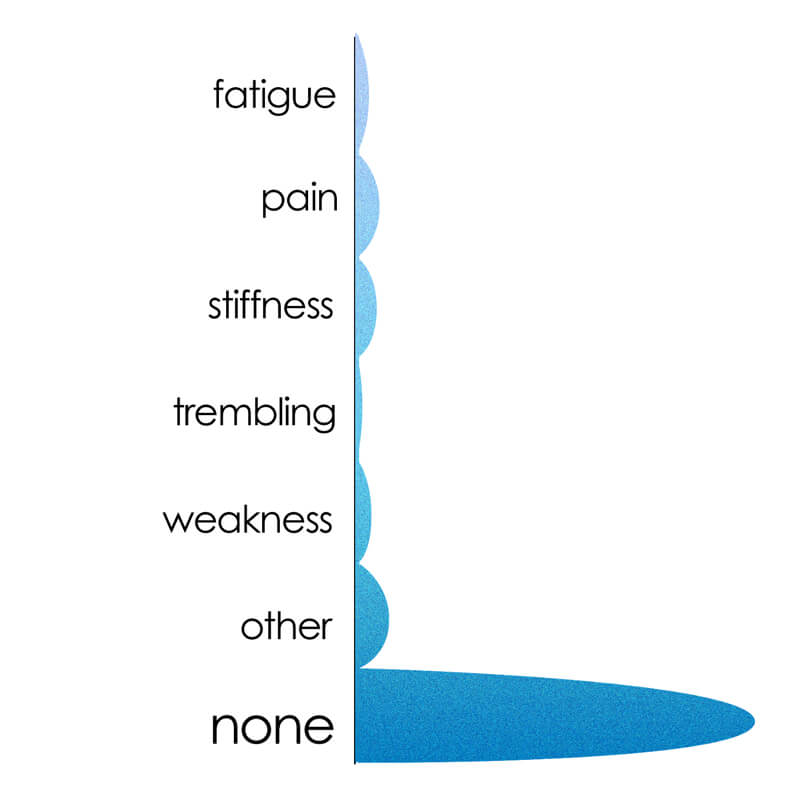
An exploratory study on poi and Parkinsons was carried out across three facilities: The Parkinson’s Exercise & Wellness Center (USA), Inn Klinikum Altötting und Mühldorf (Germany), and Move Good Now (New Zealand). Participants completed a self-reported questionnaire immediately after each poi session. In total, 39 people took part, and 10 of them joined more than one session. The results from the questionairre are below.
Do you think poi could be helpful for improving your quality of life?
How easy or hard did you find playing poi?
Would you like to do poi again?
Did any of these things limit you from taking part?
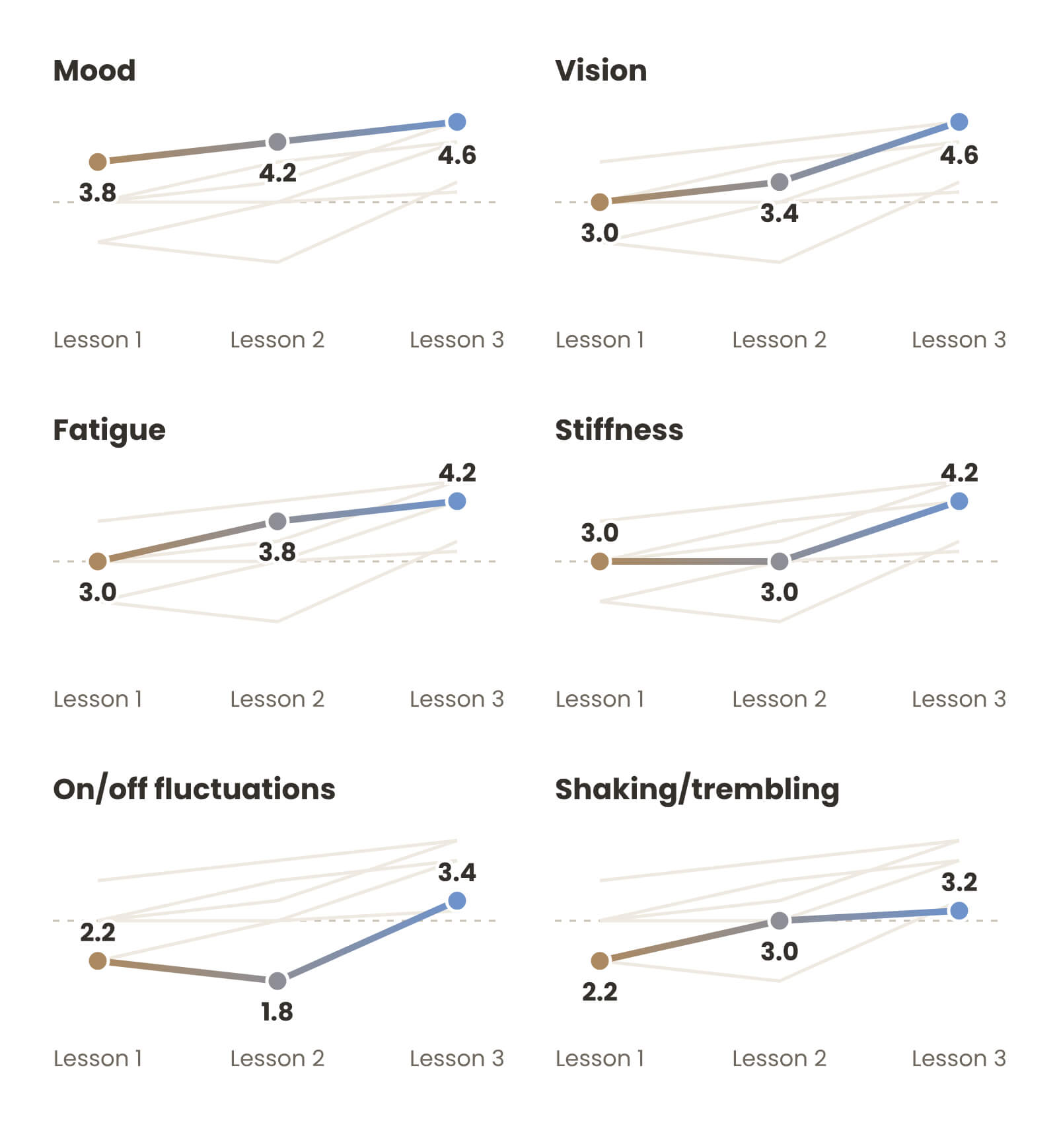
Five patients at Inn Klinikum Altötting und Mühldorf took part in three poi sessions during their stay. After each session, they rated whether each symptom got worse, stayed the same or got better while practicing poi. Their responses showed an upward trend for mood, vision, fatigue, stiffness, on/off fluctuations and shaking or trembling. This was a very small group, and the ratings describe how people felt during poi.
Symptoms ratings during poi, across three sessions
1 = much worse, 3 = about the same (dashed line), 5 = much better. Pale lines show the other 5 symptoms.
What the Researchers Noticed

Especially in Parkinson’s patients, it is sometimes unbelievable to observe how their stiffness dissolves during poi play, how their focus is directed towards the poi and how accompanying symptoms – such as trembling in the hands or restlessness in the legs – steadily decrease or simply fade away. I’ve also noticed how the mood of the patients improves through the movement to the music, which in turn leads to the stabilization of the general condition. From simple swinging to practicing some basic poi movements standing to dancing together, the patients enjoyed the lessons and are very happy to have a new hobby they can practice at home with their family.
Anja Lohoff, Certified SpinPoi Instructor and Geriatric Carer, Inn Klinikum Altötting und Mühldorf

My clients found poi sessions to be mentally and physically taxing, and noticed an increase of Parkinson’s symptoms during poi play such as tremor, anxiety, instability, gait complications and even speech. Some noted the feeling of a heavy thick brain fog. After resting, clients reported an unusual heightened awareness of their movement, including reciprocal arm movement through the gait pattern, heel to toe strike, and step width. This phenomenon lasted for up to 2 days post session. After several poi sessions clients were able to quickly move into doing more complex poi movements – plasticity changes were evident. Poi has layers upon layers of skill to learn and master. We have barely scraped the surface at our Center and have been amazed at the outcomes. I am very excited to see what further research will show for the Parkinson’s community.
Sarrisa Curry, Founder, The Parkinson’s Exercise & Wellness Center

The uniqueness of poi was the biggest reason my clients enjoyed it, as it’s so different to other activities we do in class (boxing and dance based). There was lots of laughing. I noticed while doing a relatively easy poi move and then adding a step or balance task, both tasks became easier. I also noticed a minor increase in concentration exhaustion after poi. In addition, anyone not familiar with poi will find it tricky, and for this reason it’s leveling for Parkinson’s folk. My volunteers, non-Parkinson’s participants, and kids all found it an equal challenge. The feeling that we were ‘all in it together’ was nice. I felt a couple of chaps were getting frustrated with the poi, so I stopped it for a week, and IT WAS THEM who were asking ‘Where are the pom poms!?’ and clearly were missing the challenge.
Hilary Williams, Founder of Move Good Now and Specialist Group Exercise Instructor
See poi and Parkinson’s in action
Why poi and Parkinson’s works
✔︎ It works the body and brain together. Emerging research suggests exercise that combines physical and cognitive challenge may benefit both motor and non-motor symptoms.
✔︎ It gives constant feedback from an external object. Self-initiated movement relies on basal ganglia circuits, which Parkinson’s disrupts. External cues may help by using other pathways that remain intact, including circuits through the cerebellum. When you spin poi you can see and feel where the weight is, so each movement has an external guide.
✔︎ It can support mood. As a form of both play and exercise, poi has a double whammy of mood boosters that may help those with PD regulate their emotions and continue living their best life. Improvement in mood is particularly important for those with PD, as depression and anxiety have a larger negative impact on quality of life than movement symptoms.
✔︎ It adaptable and affordable. Poi can be heavy or light, done sitting or standing, and kept simple or made more complex. It also doesn’t require complex equipment or technology, and it fits easily into existing exercise and wellbeing programs.
✔︎ It is enjoyable. If something is fun, people want to keep doing it, which is very important when it comes to therapeutic interventions.
Explore poi for your Parkinson’s community
Make your poi
Check out this video on 3 easy ways to make poi from things around the house, or contact [email protected] to enquire about ordering clinical grade poi for yourself or your clients.
Try your first poi moves
Try these 25 beginner poi moves, or use them as inspiration to create your own! If you’d like to dive deeper into your poi practice, check out our full Beginners Series.
Become an instructor
Join our team of Certified SpinPoi Instructors improving wellbeing across the globe. No previous experience with poi is needed.
Let’s collaborate!
We are actively looking to collaborate with individuals and organizations in the Parkinson’s community. Please send an email to [email protected] and tell us about your current practice and how you’re hoping to bring poi in, and we’ll get back to you within 48-hours.